
When severe weather rolls through Northwest Arkansas, trees often bear the brunt of nature’s fury. As a property owner who’s weathered my fair share of storms—from intense spring thunderstorms to winter ice events—I’ve learned that knowing how to assess tree damage can mean the difference between a quick fix and a dangerous situation. The aftermath of a storm can be overwhelming, but understanding what to look for helps me make informed decisions about when to call in professional help and when I can wait.
Northwest Arkansas experiences its share of severe weather throughout the year. We’ve all seen the damage that high winds, ice storms, and tornadoes can inflict on our landscape. After any significant weather event, I make it a priority to carefully inspect my trees. This isn’t just about aesthetics—it’s about safety. A damaged tree can pose serious risks to my home, vehicles, family, and neighbors. By conducting a thorough assessment, I can identify immediate hazards and make smart decisions about next steps.
Key Takeaways
- Assess trees immediately after storms for broken branches, leaning trunks, and root exposure
- Call emergency tree service for trees touching power lines, blocking access, or creating immediate safety hazards
- Document damage with photos for insurance claims before any tree removal work begins
- Understand the difference between cosmetic damage that can wait and structural damage requiring urgent attention
- Know when to evacuate the area and wait for professional help rather than attempting DIY solutions
Immediate Post-Storm Safety Assessment
The first thing I do after a storm passes is conduct a quick safety sweep of my property—from a safe distance. I never rush outside while conditions are still dangerous. Once it’s safe, I look for the most critical hazards first. Any tree or large branch touching power lines is an automatic call to the utility company and a tree service professional. I don’t go near these situations myself, period. Electricity and trees are a deadly combination that requires expert handling.
Next, I check for blocked access points. If a fallen tree is blocking my driveway, preventing me from leaving, or blocking the road, that’s an immediate priority for emergency tree service. I’ve learned that Carlos Express Tree Service’s 24/7 availability means I don’t have to wait days when I need access restored quickly. During storm season, response time makes all the difference between being stranded at home or getting back to normal life.
I also look for trees that have fallen on structures—my house, garage, shed, or vehicles. Even if the damage appears minor, I know that trees can shift and cause additional harm. In these cases, I document everything with photos before making the call for professional removal. This documentation has proven invaluable when filing insurance claims. The key is not to attempt removal myself or let the situation worsen while waiting.
Identifying Dangerous Tree Conditions
Beyond the obvious fallen trees, I’ve learned to spot more subtle signs of dangerous conditions that develop after storms. A tree that’s leaning significantly more than it did before the storm is a red flag. This lean might indicate root damage or failure, and the tree could come down at any moment, especially if another weather event follows. I don’t wait to see if it worsens—I call for an assessment.
Split trunks are another serious concern I watch for. When I see a vertical crack running up the trunk, especially one that’s widening or exposing the inner wood, I know the tree’s structural integrity is compromised. These splits can cause the tree to suddenly break apart, often without warning. Even if the tree looks mostly intact, a major trunk split means it’s time for professional evaluation and likely removal.
Hanging branches—what arborists call “widow makers”—are particularly dangerous. After storms, I carefully scan the canopy for branches that are broken but haven’t fallen yet. These can drop without warning, especially during subsequent wind or when someone walks underneath. If I spot hanging branches, I keep everyone away from that area and call for professional removal. It’s not worth the risk of injury to wait or try to dislodge them myself.
Root System Damage Indicators
| Damage Type | What to Look For | Risk Level | Action Required |
|---|---|---|---|
| Soil Heaving | Raised soil around base, exposed roots | High | Immediate assessment |
| Leaning Tree | 15+ degree lean, fresh soil cracks | Critical | Emergency service |
| Root Exposure | Visible roots on one side | Moderate-High | Professional evaluation |
| Fungal Growth | Mushrooms at base after storm | Moderate | Schedule inspection |
Root damage is often harder to see but just as dangerous as visible trunk or branch damage. After storms, I walk around the base of each tree looking for signs of root system compromise. Soil heaving—where the ground has lifted or cracked around the tree base—tells me that roots have been displaced. This is particularly common after heavy rains saturate the soil, making trees easier to uproot in high winds.
When I notice a tree that wasn’t leaning before but now tilts noticeably, I check the root zone on the side opposite the lean. If I see exposed roots, cracked soil, or a depression where roots have pulled up, the tree has lost its anchor. These trees can topple with little warning, especially if the soil remains soft or another storm approaches. I don’t try to stake or save these trees myself—I call Carlos Express Tree Service for an expert opinion on whether the tree can be saved or needs removal.
Sometimes the damage isn’t immediately visible. I’ve learned to watch for signs over the following weeks, like wilting leaves on one side of the tree or premature leaf drop. These symptoms can indicate root damage that occurred during the storm but didn’t cause immediate failure. While not as urgent as a leaning tree, these situations still warrant professional assessment to prevent future hazards.
Assessing Branch Damage Severity
Not all branch damage requires emergency response, and I’ve learned to differentiate between cosmetic damage and structural concerns. Small broken twigs and minor limb damage are often just aesthetic issues that can be addressed during regular pruning. However, when I see large branches—anything over 2-3 inches in diameter—that are cracked, split, or hanging, that’s a different story. These larger limbs can cause serious injury or property damage if they fall.
I pay particular attention to branches overhanging structures, vehicles, or areas where people frequently walk. Even if the branch appears to be holding, storm damage can weaken the attachment point. I’ve seen branches that looked secure fall days or even weeks after a storm when additional stress from wind or the weight of the limb itself causes final failure. For these situations, I don’t wait—I schedule professional removal.
The location of the damage also matters in my assessment. Branches broken high in the canopy might seem less urgent, but they can be more dangerous because they have farther to fall and build more momentum. Lower branches that are damaged but still partially attached can actually be removed more safely. When in doubt about branch damage severity, I’ve found that a quick call to get a professional opinion costs nothing and provides peace of mind.
When to Call Emergency Tree Service vs. When to Wait
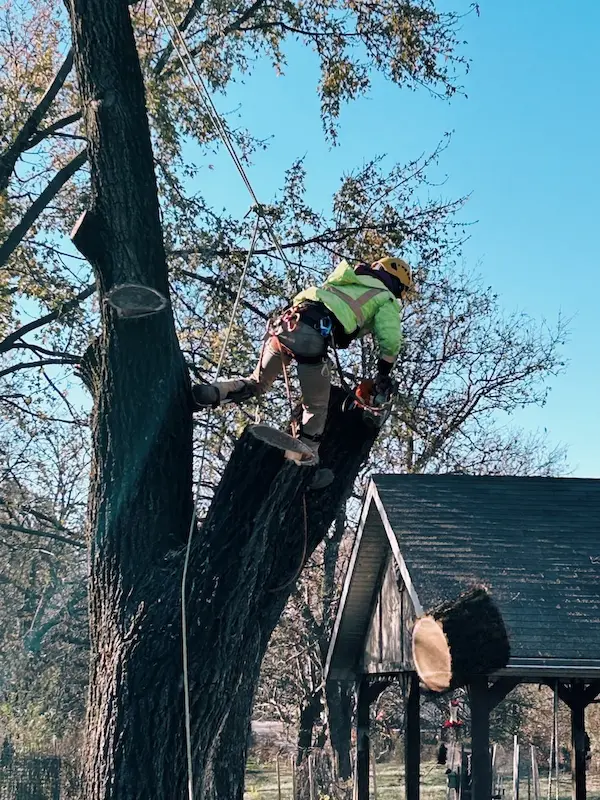
Learning to prioritize has saved me money while keeping my property safe. I call for emergency service immediately when trees or branches are touching power lines, blocking critical access, on a structure, or creating an imminent safety threat. These situations can’t wait because the risks are too high. I’ve found that Carlos Express Tree Service responds quickly to these urgent calls, often arriving the same day to secure the situation.
For situations that are concerning but not immediately dangerous, I schedule an assessment within a day or two. This includes trees with significant lean but not at risk of immediate failure, large hanging branches over non-critical areas, or extensive crown damage that needs professional evaluation. Getting on the schedule quickly ensures I don’t wait weeks while the damage potentially worsens.
Some damage can wait for regular service scheduling. Minor branch breakage, cosmetic damage to the canopy, and small limb removal can often be handled during normal business hours at standard rates rather than emergency pricing. I’ve learned to be honest with myself about what constitutes an emergency versus what’s simply convenient for me. This approach helps me manage costs while still addressing safety concerns appropriately.
Documentation for Insurance Claims
I’ve learned that proper documentation is crucial when storm damage might be covered by insurance. Before any tree service work begins, I photograph the damage from multiple angles. I capture wide shots showing the overall situation and close-ups of specific damage points. I also photograph any property damage caused by trees—dented vehicles, damaged roofs, broken fences. These images become essential when filing claims.
I make notes about the weather event itself—the date, approximate wind speeds if known, and what type of storm occurred. Insurance companies often verify claims against weather records, so accurate information helps process claims faster. I also keep any estimates from tree service companies, even if I don’t use their services, as documentation of the extent and cost of repairs needed.
When Carlos Express Tree Service assesses damage, I ask them to note the cause when possible—whether it was wind damage, ice load, or other storm-related factors. Their professional assessment carries weight with insurance adjusters. I’ve found that working with a responsive tree service that understands the insurance process makes the whole experience much smoother. They can often provide written assessments that satisfy insurance requirements.
Understanding Tree Triage Priorities
When multiple trees are damaged, I need to prioritize which issues to address first. My triage system starts with immediate safety threats—anything that could hurt someone or cause additional property damage gets handled first. Trees on houses, blocking evacuation routes, or in danger of hitting occupied spaces top the list. These get emergency service regardless of cost because the alternative is unacceptable.
Next, I address trees or limbs that pose high risk but aren’t immediately threatening. A large branch hanging over the driveway might not be blocking access right now, but it could fall at any time. These situations get scheduled as quickly as possible but might wait a day or two for service if emergency crews are handling more critical calls. I’ve learned to be patient during major storm events when tree services are overwhelmed with calls.
Finally, I deal with aesthetic and minor structural damage when time and budget allow. Broken twigs, cosmetic pruning, and cleanup of small debris can wait until professionals have handled the dangerous situations. I’ve found that being reasonable about priorities—both for my own budget and to respect that emergency crews need to help those in true emergencies first—works better for everyone. Carlos Express Tree Service has always appreciated when I’m clear about what’s urgent versus what can wait.
Common Storm Damage Mistakes to Avoid
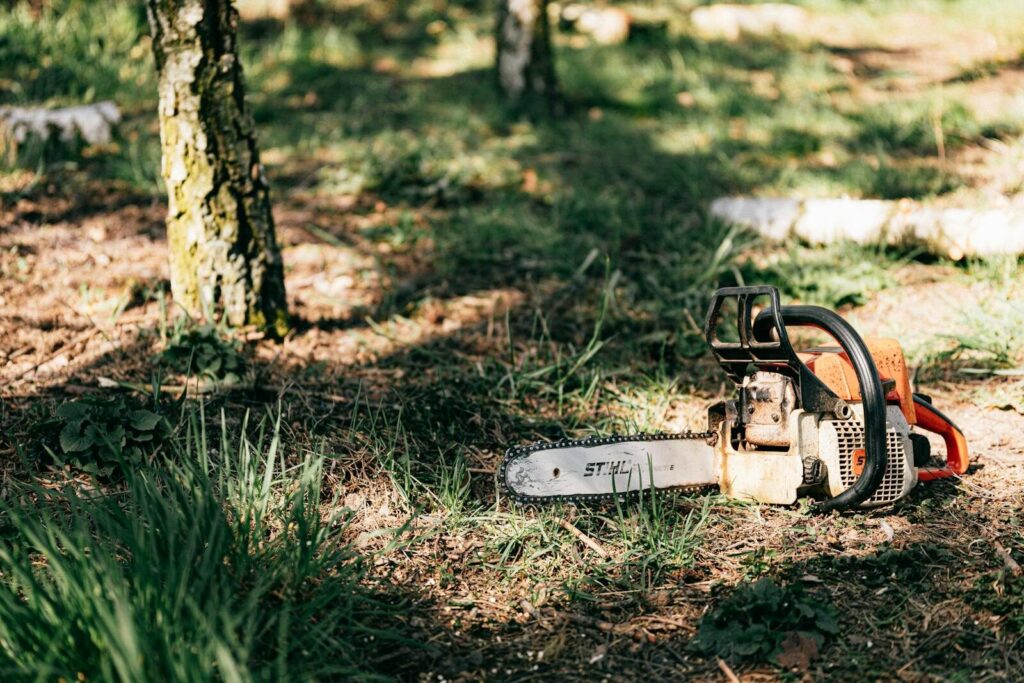
Over the years, I’ve learned what not to do after storm damage, often from watching neighbors make mistakes. The biggest error is attempting DIY removal of large trees or branches. I’ve seen situations where people using chainsaws or climbing damaged trees ended up injured or causing additional property damage. Trees under tension from partial failure behave unpredictably—they can spring back, roll unexpectedly, or collapse suddenly. This work requires professional equipment and expertise.
Another mistake is not securing the area around damaged trees. I make sure to keep family, pets, and visitors away from any trees with significant damage. I put up temporary barriers or warning signs if needed. Even trees that look stable can fail without warning, especially if conditions change—additional wind, more rain softening soil, or even just the weight redistribution as damaged branches settle.
I also don’t make the mistake of delaying necessary action because of cost concerns. While I’m certainly budget-conscious, I’ve learned that emergency tree damage doesn’t get better on its own. Waiting often makes the situation more dangerous and potentially more expensive if additional damage occurs. Getting a free estimate from Carlos Express Tree Service helps me understand costs upfront and make informed decisions about timing and priorities.
Professional Assessment Benefits
Even when I think I understand the damage, I’ve found tremendous value in professional assessment. Trained arborists see things I miss—hidden cracks, root damage indicators, or structural weaknesses that aren’t obvious to untrained eyes. They can determine whether a damaged tree can be saved through cabling or bracing, or if removal is the only safe option. This expertise prevents me from making decisions based on incomplete information.
Professional assessment also provides credibility for insurance claims. When an arborist documents the storm damage and necessary remediation, insurance companies take it seriously. I’ve had claims processed much more smoothly when backed by professional tree service documentation. The cost of the assessment—often free with companies like Carlos Express Tree Service—is more than recovered through successful insurance claims.
Perhaps most importantly, professional assessment gives me peace of mind. After a major storm, I’m already stressed about potential property damage and safety concerns. Having an expert tell me what’s truly dangerous versus what can wait removes that anxiety. I can make decisions confidently, knowing they’re based on professional expertise rather than my best guess. This confidence is worth a lot after the chaos of severe weather.
Long-Term Storm Recovery Planning
Storm damage assessment isn’t just about immediate response—it’s also about planning for long-term tree health and property safety. After professionals handle the urgent damage, I work with them to evaluate which trees might be at risk in future storms. Sometimes a tree that survived this storm has been weakened and won’t survive the next one. Identifying these vulnerabilities allows me to plan removal or treatment before the next emergency.
I also use post-storm assessment as an opportunity to improve my overall tree health strategy. Trees that are properly maintained through regular pruning, crown thinning, and health monitoring survive storms much better than neglected trees. I’ve established a relationship with Carlos Express Tree Service for ongoing maintenance, not just emergency response. This proactive approach reduces the severity of storm damage when bad weather inevitably hits.
Finally, I’ve learned to maintain a relationship with a tree service company before emergencies occur. Having Carlos Express Tree Service’s number saved in my phone means I can call immediately when storm damage occurs rather than scrambling to find help during a crisis when every tree service is overwhelmed with calls. Being an existing customer who uses their services for regular maintenance means I’m not an unknown caller competing for emergency response slots.
FAQs
How quickly should I assess tree damage after a storm?
You should conduct a preliminary safety assessment as soon as it’s safe to go outside after the storm passes. Look for immediate hazards like downed power lines, trees on structures, or blocked access points. A more thorough assessment can happen within the first 24 hours, but any obvious safety threats need attention immediately.
What are the signs that a storm-damaged tree needs immediate emergency service?
Call for emergency service immediately if a tree or large branch is touching power lines, blocking your only access route, resting on your home or another structure, creating an obvious falling hazard over occupied areas, or if the trunk has split significantly. These situations pose immediate risks that can’t wait.
Can I safely remove small storm-damaged branches myself?
You can safely remove small branches (under 1 inch diameter) that you can reach from the ground using proper tools. However, anything larger, higher up, or under tension from the weight of the tree should be handled by professionals. Never use a chainsaw on a ladder or attempt to remove hanging branches.
How do I know if storm damage to my trees is covered by insurance?
Most homeowner’s insurance covers tree damage that results from covered weather events like storms, wind, or ice if the tree damages insured structures or blocks access. However, coverage for tree removal without structure damage varies by policy. Contact your insurance company to understand your specific coverage, and document all damage thoroughly.
Should I have all storm-damaged trees removed or can some be saved?
Many storm-damaged trees can be saved depending on the extent and type of damage. Trees with broken branches but intact trunks and root systems often recover well with proper pruning. However, trees with trunk splits, severe lean, or major root damage typically need removal. A professional arborist can assess which trees can be saved safely.
How long can I wait to address storm damage before it becomes more dangerous?
Immediate hazards like trees on structures or blocking access need same-day attention. High-risk situations like severely leaning trees or large hanging branches should be addressed within 24-48 hours. Other damage can typically wait several days to a week, but shouldn’t be ignored indefinitely as conditions can deteriorate, especially with additional weather events.
What should I do if a storm-damaged tree falls on my neighbor’s property?
First, ensure everyone is safe and no one is injured. Generally, property owners are responsible for damage caused by trees on their property if the tree was healthy before the storm. However, if the storm damage itself caused the tree to fall, it may be considered an “act of God” and each property owner handles their own damage through insurance. Document everything and consult with your insurance companies to determine responsibility.
Need an Expert Opinion?
Storm damage doesn’t wait, and neither should you. Our team responds 24/7 to assess storm damage and handle emergency tree situations throughout Northwest Arkansas. Whether you need immediate emergency service or want to schedule an assessment after the storm passes, we’re here to help keep your property safe.
Free Storm Damage Assessment | Call Now: 479-861-7497
Carlos Express Tree Service provides fast, professional storm damage response throughout Northwest Arkansas, Southwest Missouri, and Northeast Oklahoma. Licensed, insured, and available 24/7 for emergency tree service.