
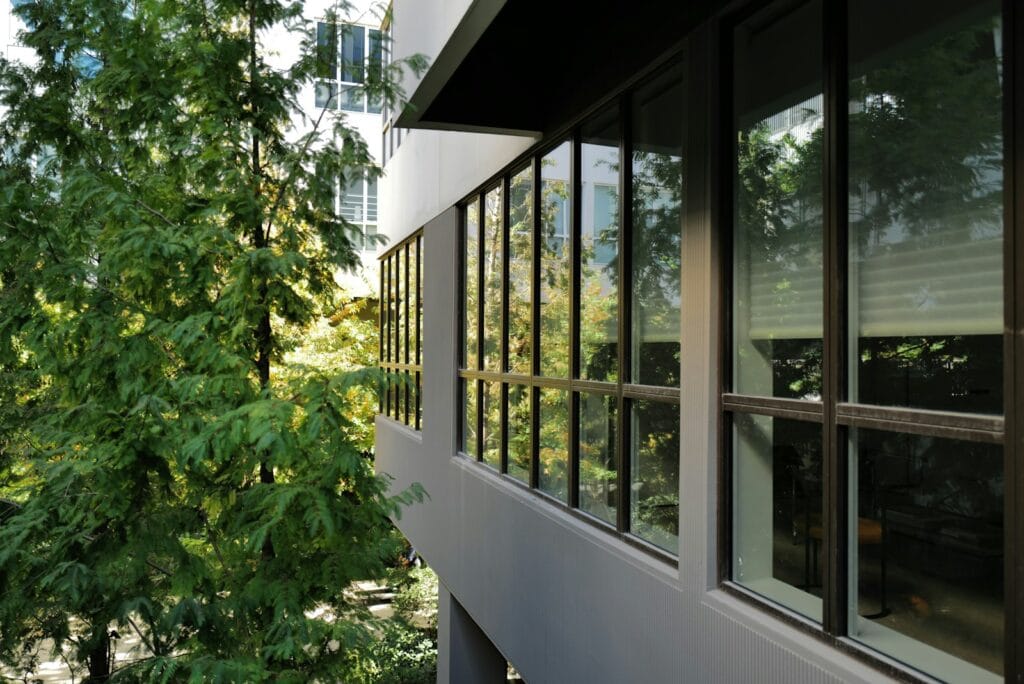
As I stroll through my yard, I often find myself admiring the trees that provide shade and beauty to my landscape. However, I’ve learned that not all growth is a sign of health. Abnormal growth patterns can be a clear indicator that my trees need professional care.
For instance, if I notice that one side of a tree is growing significantly faster than the other, it could be a sign of an underlying issue. This uneven growth might suggest that the tree is struggling to access nutrients or water, or it could be a response to environmental stressors. Recognizing these signs early can make a significant difference in the health of my trees.
Moreover, I’ve come to understand that trees exhibiting stunted growth or those that seem to be leaning excessively may require immediate attention. Such irregularities can indicate problems with the root system or even structural weaknesses. If I observe these signs, it’s essential to consult with a tree care professional who can assess the situation and recommend appropriate interventions.
Ignoring these abnormal growth patterns could lead to more severe issues down the line, potentially jeopardizing the tree’s health and stability.
Key Takeaways
- Abnormal growth patterns such as leaning or lopsidedness may indicate the need for professional tree care.
- Pest infestations, such as visible insects or holes in the trunk, are a sign that a tree may need professional attention.
- Look for disease symptoms like discolored or wilting leaves, as well as unusual growths on the trunk or branches.
- Structural issues like cracks, splits, or weak unions between branches can indicate the need for professional tree care.
- Root problems, such as heaving soil or visible root damage, may require the expertise of a tree service professional.
Pest Infestations
Pest infestations are another critical sign that my trees may need professional care. As I inspect my trees, I keep an eye out for any unusual signs of insect activity. For example, if I notice holes in the leaves or a sticky residue on the branches, it could indicate that pests are making themselves at home.
Common culprits like aphids or beetles can wreak havoc on a tree’s health if left unchecked. I’ve learned that early detection is key; the sooner I identify these pests, the easier it is to manage their impact. In addition to visible pests, I’ve also discovered that the presence of webs or nests can signal a more significant infestation problem.
If I see these signs, it’s time to call in the experts. A professional tree service can not only identify the type of pest but also provide effective treatment options to protect my trees from further damage. By addressing pest infestations promptly, I can help ensure that my trees remain healthy and vibrant for years to come.
Disease Symptoms
As a tree enthusiast, I’ve become increasingly aware of the various diseases that can afflict my beloved trees. Symptoms of disease can manifest in many ways, and recognizing them early is crucial for effective treatment. For instance, if I notice unusual spots on the leaves or bark, it may indicate a fungal infection or other disease.
These symptoms can spread quickly if not addressed, so I make it a priority to monitor my trees regularly for any signs of distress. Additionally, I’ve learned that wilting leaves or premature leaf drop can also be indicators of disease. If I observe these symptoms, it’s essential to act swiftly and consult with a tree care professional who can diagnose the issue accurately.
They have the expertise to recommend appropriate treatments and preventive measures to safeguard my trees against further harm. By staying vigilant and proactive about disease symptoms, I can help maintain the health and longevity of my trees.
Structural Issues
| Issue | Frequency | Severity |
|---|---|---|
| Cracks in walls | 10 | High |
| Foundation settlement | 5 | Medium |
| Roof leaks | 8 | High |
Structural issues in trees can pose significant risks not only to the tree itself but also to my property and safety. As I examine my trees, I pay close attention to any signs of weakness in their structure. For example, if I notice cracks in the trunk or large branches that appear to be splitting, it’s a clear indication that professional intervention is necessary.
These structural problems can lead to dangerous situations, especially during storms or high winds when weakened branches may fall unexpectedly. Moreover, leaning trees can also signal structural concerns that require immediate attention. If I see a tree leaning excessively, it may indicate root problems or instability in the soil.
In such cases, consulting with a tree care expert is crucial. They can assess the situation and determine whether cabling or bracing is needed to support the tree’s structure. By addressing these structural issues promptly, I can help ensure the safety of my property and maintain the integrity of my trees.
Root Problems
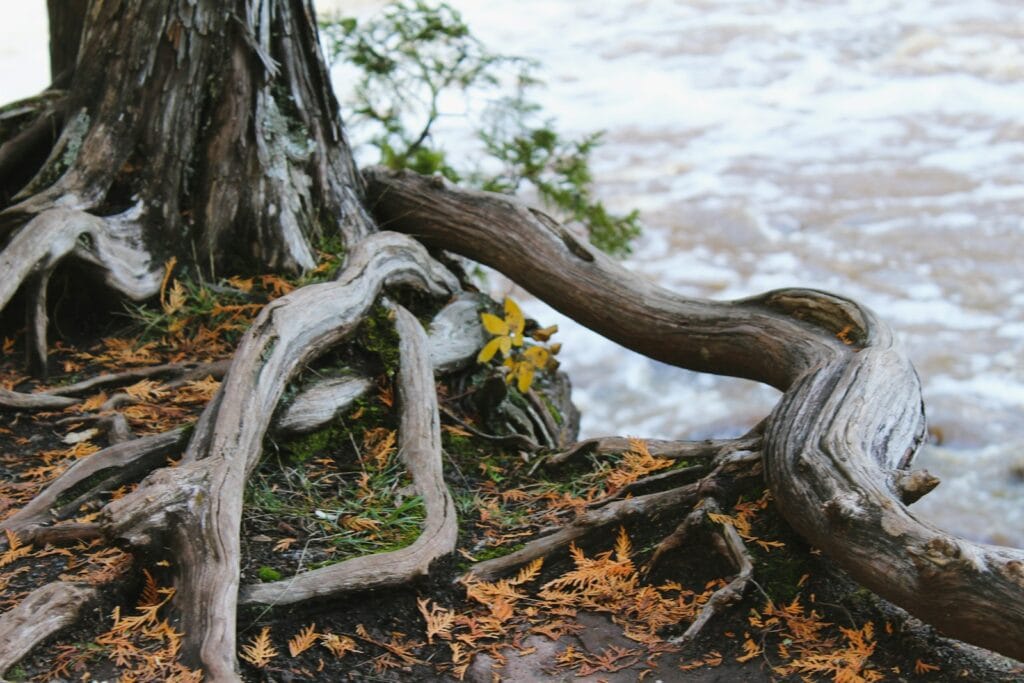
Root problems are often hidden from view but can have devastating effects on a tree’s health. As I tend to my garden, I’ve learned to look for signs that may indicate root issues beneath the surface. For instance, if I notice that a tree is exhibiting stunted growth or has begun to lean, it could be a sign that its roots are compromised.
Poor soil conditions or damage from construction activities can lead to root problems that require professional assessment and intervention. Additionally, if I observe mushrooms growing at the base of a tree or around its roots, it may indicate root rot or decay. This is a serious condition that can threaten the entire tree’s stability and health.
In such cases, seeking help from a qualified tree service is essential. They have the tools and expertise to diagnose root problems accurately and recommend appropriate solutions, whether it involves soil amendments or even removal of affected roots. By addressing root issues early on, I can help ensure my trees remain strong and healthy.
Leaf Discoloration
Leaf discoloration is another telltale sign that my trees may need professional care. As I admire the foliage throughout the seasons, I’ve learned to recognize when something seems off.
For example, if I notice yellowing leaves during the growing season, it could indicate nutrient deficiencies or water stress.
This change in color often signals that my tree is struggling and may require intervention to restore its health. In addition to yellowing leaves, I’ve also observed that browning edges or spots on leaves can indicate various issues ranging from pests to diseases. If these symptoms persist despite my efforts to care for the tree, it’s time to consult with an expert who can provide a thorough evaluation and recommend appropriate treatments.
By addressing leaf discoloration promptly, I can help ensure that my trees continue to thrive and contribute beauty to my landscape.
Branch Dieback
Branch dieback is perhaps one of the most alarming signs that my trees need professional care. As I inspect my trees regularly, I keep an eye out for any branches that appear dead or are losing their leaves prematurely. This dieback can occur for various reasons, including disease, pest infestations, or environmental stressors like drought or extreme temperatures.
When I notice this happening, it’s crucial not to ignore it; instead, I must take action quickly. If left unaddressed, branch dieback can lead to further decline in tree health and even result in the loss of entire limbs or sections of the tree. Consulting with a tree care professional is essential in these situations; they can assess the extent of the dieback and determine whether pruning or other interventions are necessary.
By being proactive about branch dieback, I can help preserve the overall health of my trees and ensure they continue to flourish in my yard for years to come.
FAQs
What are some signs that my trees need professional care?
Some signs that your trees may need professional care include abnormal growth patterns, pest infestations, disease symptoms, structural issues, root problems, leaf discoloration, and branch dieback.
What are abnormal growth patterns in trees?
Abnormal growth patterns in trees can include things like leaning or tilting, excessive leaning, or lopsided growth. These can be signs of underlying issues that may require professional care.
How can I tell if my trees have a pest infestation?
Signs of a pest infestation in trees can include visible pests such as insects or larvae, as well as damage to the leaves, bark, or branches. If you notice these signs, it may be time to seek professional tree care.
What are some common disease symptoms in trees?
Common disease symptoms in trees can include wilting or yellowing leaves, unusual growths or spots on the leaves or bark, and overall decline in the tree’s health. If you notice these symptoms, it’s important to have a professional assess the tree’s condition.
What are structural issues in trees?
Structural issues in trees can include things like cracks in the trunk or branches, weak or overextended limbs, or signs of decay. These issues can pose a risk to the tree’s stability and may require professional attention.
How can I identify root problems in my trees?
Signs of root problems in trees can include exposed roots, soil heaving, or a noticeable decline in the tree’s health. If you suspect root problems, it’s important to have a professional evaluate the tree’s root system.
What does leaf discoloration indicate in trees?
Leaf discoloration in trees can indicate a variety of issues, including nutrient deficiencies, disease, or pest infestations. If you notice unusual leaf discoloration, it’s a good idea to have a professional tree service assess the tree’s health.
What is branch dieback in trees?
Branch dieback in trees refers to the gradual death of branches, often starting at the tips and progressing inward. This can be a sign of underlying issues such as disease, pests, or structural problems, and may require professional care.